
Considered CoQ: Vipp
An atypical journey from trash cans to destination hotels.

It’s been a while! For those who don’t remember, Considered is a newsletter that tells the story of places and companies that have endured. Over years of studying these companies, I’ve noticed the one thing that they all have in common is that their main driver is to compete on quality.
In our series Considered CoQ (Competing on Quality), we explore how those companies differentiate themselves by the types of outcomes they enable their customers to achieve. I hope you’ll stick around as we pop into your inbox sporadically with these fun and interesting business tales. Now let’s talk trash cans.
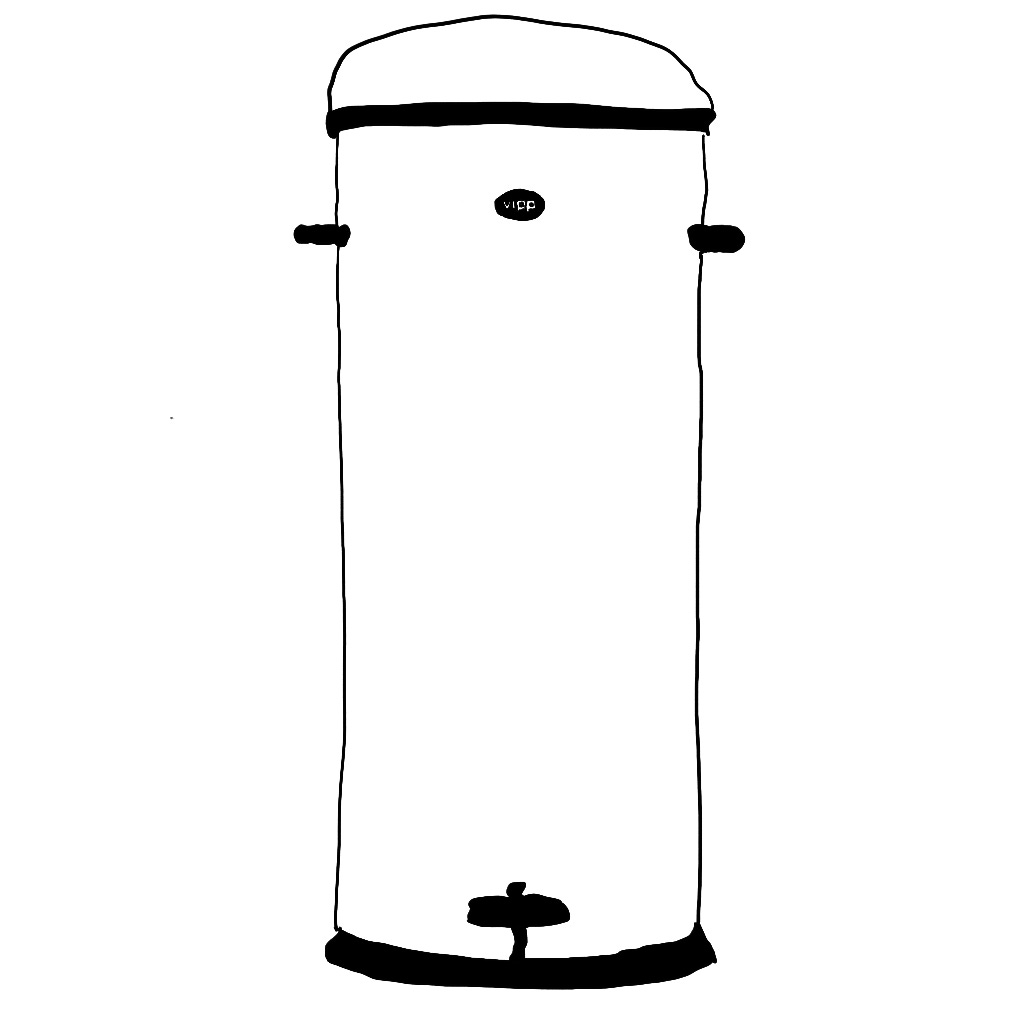
Vipp is a Danish manufacturer of design products, and is an incredible example of the cumulative effects of competing on quality. The company has leveraged its history and legacy of quality to more than 300x its revenue in the past 30 years.
Vipp’s founder, Holger Nielsen, was an experienced metal worker. In 1939, his wife Marie, who owned a hair salon, asked her husband to design her a trash can with a lid. He took the request a step further, and invented the pedal bin, which allowed the user to open the lid without the use of their hands. The name “Vipp” is inspired by the Danish word “vippe,” meaning “to tilt,” reflecting the characteristic movement of the lid.
The original bin consisted of up to 42 components and was hand-assembled—a tradition that continues to this day. It was a trash can designed for professional environments: durable, easy to use and easy to clean. It was a quality trash can. Within 20 years, the Vipp Pedal Bin gained popularity and became a common sight in doctors offices and institutions all over Denmark.
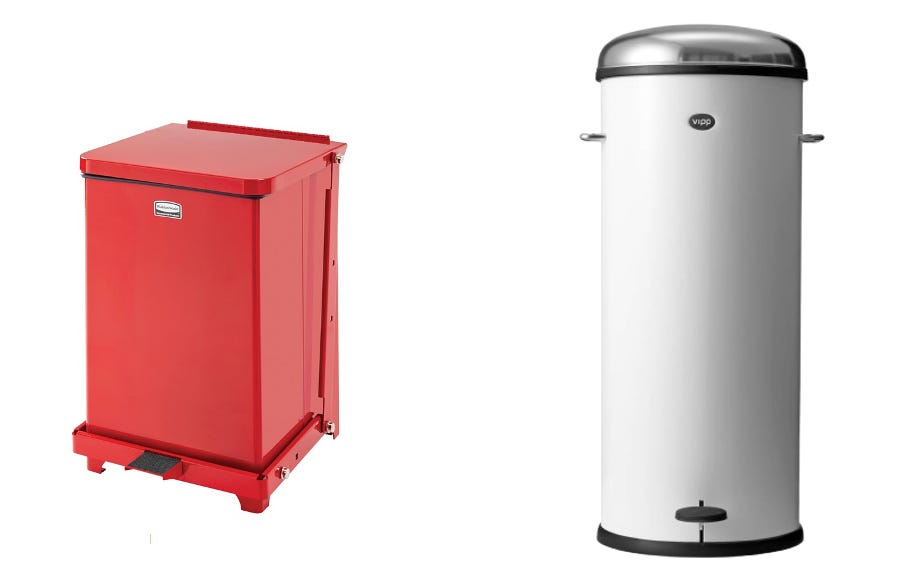
When Holger passed away in 1992, at age 78, his wife Marie inherited the company, but she still operated her salon and did not want to manage both. Their daughter, Jette Egelund, decided to take over. At the time, the business was selling 5-10 trash cans a day and she needed to scale it up to ensure longevity.
First Expansion: The Domestic Market
Like most companies that compete on quality, Vipp had a legacy of quality manufacturing and delivering superior products. Egelund’s challenge was to identify where else she could direct those capabilities in a way that allowed Vipp to remain a quality-focused company.
Having grown up with a Vipp trash can in her home, Egelund thought she could reposition the bin as a design object. In 1995, she visited Copenhagen’s most sophisticated furniture shops and design retailers, attempting to convince them that this industrial object belonged in residential settings.
Her breakthrough came when prestigious retailers like The Conran Shop (“The home of considered design”? Hmm…) ordered bins for their London and Paris locations. Internationally, the bin was recognized for its industrial Danish design aesthetic.
At the time, there was an emergent class of people who sought to differentiate themselves based on their taste. They wanted to demonstrate education and refinement, not just wealth. What better way than with an under-the-radar hand-made trash can? This strategy was rewarded when the Vipp Pedal Bin was included in the MoMA’s permanent design collection in 2009.
Second Expansion: Ancillary Products
Egelund looked around to see what other adjacencies she could expand into, combining her father’s passion for quality construction and her commitment to timeless design. Regarding timelessness, the company’s website reads, “You will never see a younger model of an existing Vipp product.”
Noticing that the smaller pedal can was popular in bathrooms, Egelund designed a matching toilet brush and later, a laundry bin and soap dispenser. All made by hand using the same exacting standard as the pedal bins. The expansion sped up in the 2000s with their foray into kitchen products.
Third Expansion: Full Kitchens and Bathrooms
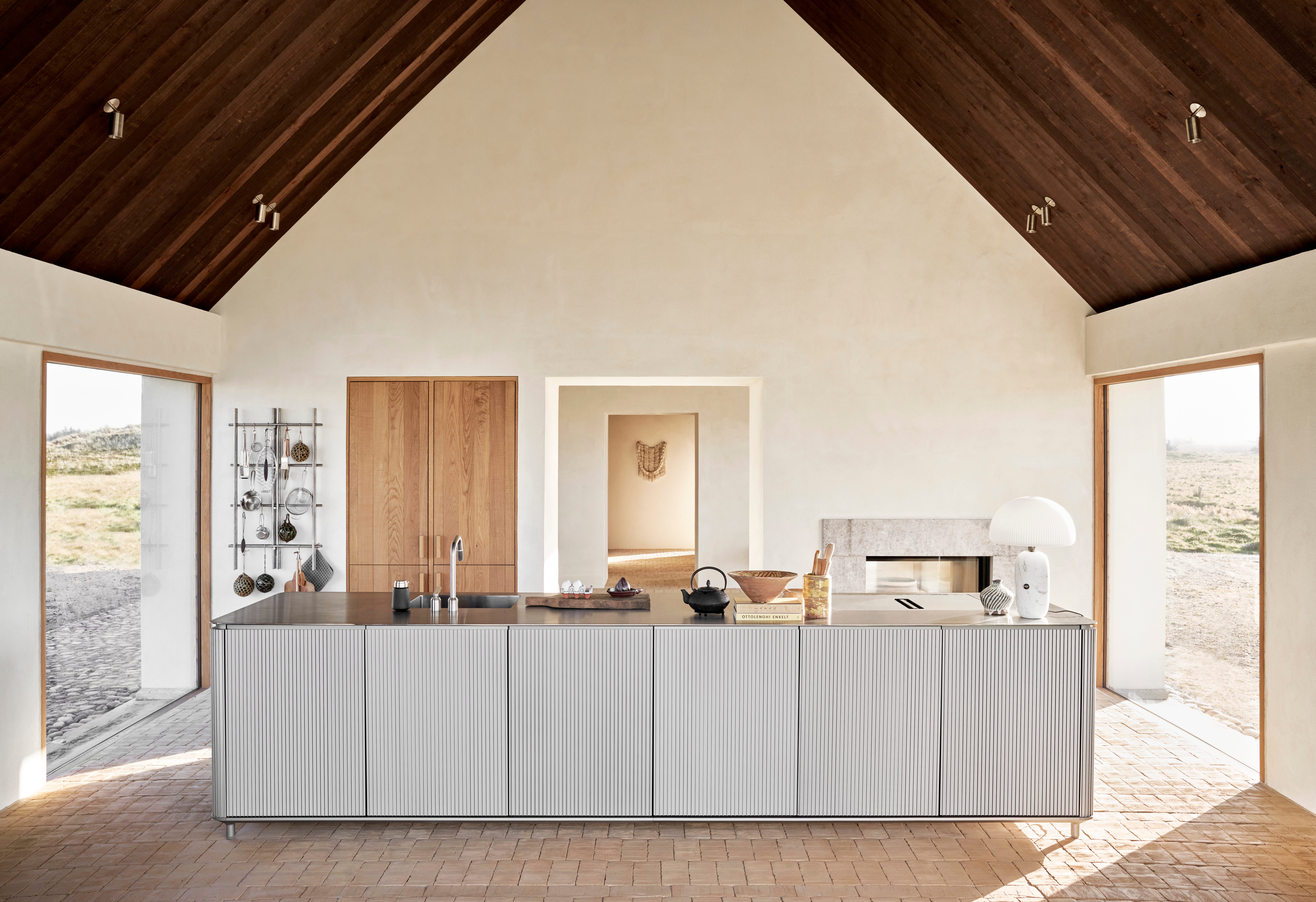
Having hit their stride, Vipp had a loyal following of customers for whom their quality approach served unmet needs. Durable materials, well-made and timeless. The company continued to experiment on how to leverage that quality approach and started with bathroom vanities and later, full kitchens. Think cabinets, islands and kitchen systems inspired by the same materials and techniques that enabled the pedal bin’s success.
Fourth Expansion: Guesthouses
As Vipp’s product catalogue expanded, Egelund’s son Kasper had an idea: The Vipp Shelter. It is a 55 m² prefabricated dwelling designed for city dwellers looking for a remote escape. With everything (inside and out) designed and created by Vipp, it was meant to be a turnkey vacation solution. Unfortunately, they sold only… 1 unit.
However, the shelter had the unexpected effect of increasing products sales. Architects, designers and customers would come to visit the shelter and get a better sense of the cohesive world of products Vipp had created.
Buoyed by the success as a combination hotel and showroom, Vipp has expanded the program to 13 guesthouses in locations as varied as New York City to the Pyrenees Mountains. Abandoning the prefab construction model, they have instead partnered with architects to create properties that are authentic to their locations. You can see the entire collection (and book) here.

Sustainable Competitive Advantage
Kasper Egelund describes the family’s approach: “We are still trying to stand on the shoulders of our grandfather. His design principles inspire us and provide the foundation for everything we do. We have one leg in the past, one in the future”.
As opposed to other design-led furniture and home goods brands, Vipp does not rely on prestige to compete. This is incredibly rare. Instead of customer’s valuing the brand because they see it in celebrity’s homes, they value it for its functionality and durability. This ability to ignore trends has allowed the company to slowly collect a set of capabilities that ensure continued growth. There is a lot of room at the top end of most markets for a company focused on delivering quality to a specific type of customer. From trash cans to cottages, that is Vipp.
What business comes to mind when you think of quality? Product or service based, I’d love to hear your best-in-class recommendations for who we should Consider in future issues. Leave a comment or reply to this email and let me know!